The Secret Language of Dog Naps: What Your Pup's Sleeping Position Is Really Telling You
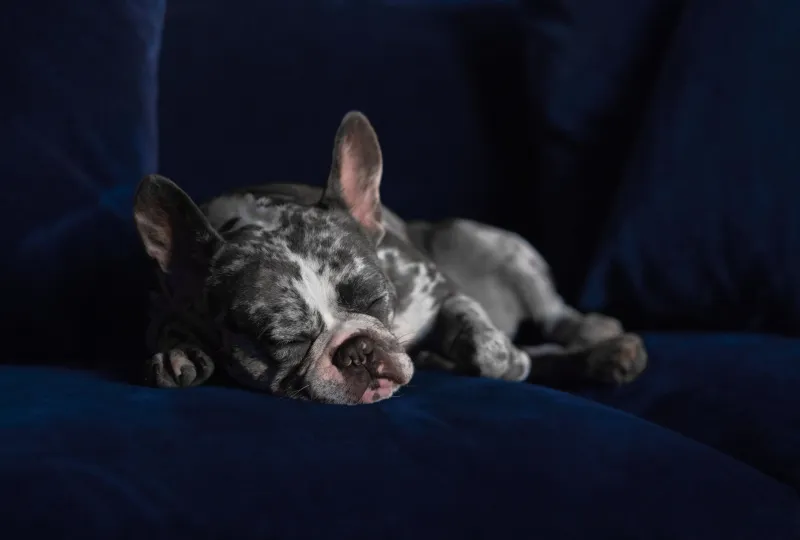
If you've ever watched your dog collapse into a full-on pretzel shape in the middle of the living room floor, you already know dogs have opinions about how they sleep. But here's the thing — those quirky positions aren't random. The way your dog chooses to rest actually tells you quite a bit about their mood, their comfort level, and even their health.
As someone who has spent way too many hours watching Lisi snooze in increasingly bizarre configurations, I can tell you this stuff is genuinely fascinating once you start paying attention. So let's break it down.
The Donut (a.k.a. The Curl)
This is probably the most classic dog sleep pose — your pup curled into a tight ball, nose tucked toward their tail, paws pulled in close. It looks cozy, and honestly, it is.
But there's more to it than comfort. Dogs curl up like this instinctively because it's a protective posture. In the wild, this position shields vital organs and conserves body heat. So if your dog is regularly sleeping this way, it could mean a few things:
- They're chilly. This is especially common in smaller breeds or short-haired dogs. If your house runs cold, a curled-up pup is just trying to stay warm.
- They feel a little uncertain. Dogs who are newer to a home, anxious, or just not fully relaxed yet tend to default to this position. It's self-soothing in a way.
- It's just habit. Some dogs are chronic curlers regardless of their emotional state. If your dog is otherwise happy and healthy, don't read too much into it.
Over time, if you notice a dog who used to sleep sprawled out suddenly switching to a tight curl, that's worth paying attention to. It could be a sign they're feeling stressed or even physically uncomfortable.
The Side Sleeper
Flat on their side, legs stretched out, totally relaxed — this one is basically the dog version of a deep sigh. Side sleeping is a strong indicator that your dog feels completely safe and at ease in their environment.
Dogs who sleep on their side are exposing their belly and vital organs, which is something an animal only does when they feel zero threat. If your dog regularly snoozes like this around you, take it as a compliment. You've built a solid relationship.
This position also tends to be where dogs get their deepest, most restorative sleep — the kind that comes with twitching, little running movements, and those soft woofs that make you wonder what they're dreaming about. (Squirrels, probably.)
The Superman (The Sploot)
Belly flat on the floor, all four legs stretched out — front paws forward, back legs behind. This one is especially common in puppies and high-energy breeds, and it's as adorable as it sounds.
The sploot is usually a sign of a dog who wants to rest but isn't quite ready to fully commit to sleep. They're staying low to the ground, ready to pop up at a moment's notice. It's also a great position for cooling down — the belly contact with the floor helps regulate body temperature, which is why you'll often see this one on tile or hardwood rather than a plush dog bed.
If your adult dog sploots a lot, they're probably just a playful, energetic personality who doesn't want to miss anything. Classic.
The Back Sleeper (Paws Up)
Legs in the air, belly fully exposed, looking like they absolutely do not have a care in the world. This is the ultimate vulnerability pose, and it means your dog is about as relaxed as a dog can possibly get.
Back sleeping is also a temperature thing — exposing the belly (which has less fur) helps dogs cool down quickly. So if your pup is regularly going full upside-down on a warm afternoon, they might just be hot.
Breeds with heavier coats or stockier builds tend to do this more in warmer months. If you've got a Labrador flopped on their back in front of the AC vent, now you know why.
The Lean (Against You or the Furniture)
Some dogs don't just sleep near you — they sleep on you, or pressed firmly against the couch, the wall, or whatever solid surface is available. This contact-seeking behavior during sleep is rooted in the same instinct that makes dogs want to be part of a pack.
Feeling something solid nearby is reassuring. For dogs who lean into you while they sleep, it's a bonding behavior as much as it is a comfort one. Enjoy it. Those moments go fast.
When a Sleep Position Becomes a Red Flag
Most of the time, sleep positions are just personality quirks. But occasionally, they can signal something worth a closer look.
Watch out for:
- A dog who suddenly can't seem to get comfortable and keeps shifting positions repeatedly
- Sleeping in an unusually stiff or rigid posture, which can indicate joint pain or muscle soreness
- A dog who avoids lying on one side or cries out when changing positions
- Labored or irregular breathing during sleep (beyond normal dream-twitching)
If any of these show up — especially in senior dogs — it's worth mentioning to your vet. Conditions like arthritis, hip dysplasia, or respiratory issues can all show up in how a dog positions themselves during rest.
What Changes Over Time
Here's something a lot of dog owners don't realize: your dog's preferred sleep position can shift as they age, and that's completely normal. Puppies are notorious sprawlers. Adult dogs tend to settle into patterns. Senior dogs often move toward softer, more supported positions as their joints start to feel the years.
If you want to support your aging dog's sleep quality, investing in an orthopedic dog bed is genuinely worth it. The difference it makes for a dog with achy joints is real.
The Bottom Line
Your dog's sleep habits are a small but meaningful window into how they're doing — physically and emotionally. You don't need to analyze every nap, but getting familiar with your dog's usual patterns means you'll notice when something shifts.
And honestly? Sometimes the best thing you can do is just sit quietly and watch them sleep. There's something deeply reassuring about a dog who feels safe enough to completely let their guard down.
That right there? That's the whole point of this whole dog-loving life.