Does Your Dog Actually Remember That? The Truth About Canine Memory (And the Guilt Trips We Give Ourselves)
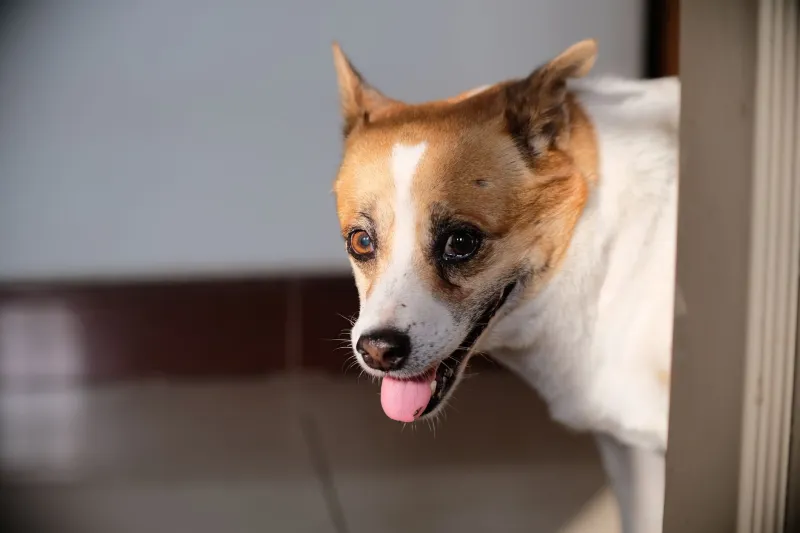
Let's be honest. At some point, every dog owner has looked into those big, soulful eyes and thought, They know. They remember. They are absolutely judging me right now.
Maybe you came home an hour late. Maybe you accidentally stepped on a paw and then laughed before you could stop yourself. Maybe — and we're not here to shame anyone — you once forgot to refill the treat jar for three whole days. The guilt spiral is real, and somehow our dogs always seem to be watching us with an expression that says I remember everything.
Here's the thing, though: the science tells a pretty different story. And understanding what's actually going on in your dog's brain might just set you free from a whole lot of unnecessary pet-parent guilt.
How Dogs Actually Process Memory
Dogs have two main types of memory that researchers talk about: associative memory and episodic-like memory. Most of what your dog "remembers" falls into that first category — and it works a lot differently than human memory does.
Associative memory is basically your dog's brain linking a specific cue to an outcome. The leash comes out → walk time. The treat bag crinkles → something amazing is about to happen. You grab your keys → the world is ending (or they're being left behind, which feels the same to them). This kind of memory is incredibly powerful in dogs. It's the engine behind all training, and it's why your pup can learn a command after just a handful of repetitions.
Episodic memory — the kind where you mentally replay a specific event like a little movie in your head — is a bit murkier when it comes to dogs. Researchers have found evidence of what they call "episodic-like" memory in dogs, meaning dogs can recall what happened and where, but whether they experience it the way humans do is still being studied. A 2016 study published in Current Biology showed dogs could imitate human actions they'd observed after a delay, suggesting some capacity for recalling specific events. But it's a far cry from your dog lying awake at night replaying the time you forgot their birthday.
The Grudge Myth — Put It to Rest
One of the most persistent stories dog owners tell themselves is that their dog is holding a grudge. You raised your voice during a stressful moment. You accidentally bumped them off the couch. You brought home a new puppy and watched your older dog shoot you a look that could only be described as betrayal.
Here's the reassuring truth: dogs almost certainly don't hold grudges the way humans do. Grudge-holding requires a pretty complex chain of cognitive events — you have to recall a specific incident, attach an emotional narrative to it, and then consciously apply that resentment to the present moment. That's a lot of mental real estate that dogs just don't appear to occupy.
What can happen is that a dog develops a conditioned emotional response to something. If a particular person or situation has repeatedly been associated with something unpleasant, a dog will learn to be wary. That's not a grudge — that's smart survival behavior. And importantly, it's also reversible with consistent positive experiences.
So if your dog seems a little side-eye-y after a vet visit or a bath, they're not plotting revenge. They're just associating you briefly with something they didn't love. Give it a few minutes and a good scratch behind the ears, and watch how fast that "grudge" dissolves.
The Moments That Actually Do Stick
Okay, so dogs aren't cataloguing your parental failures. But they are building a rich emotional memory of who you are to them — and that part is genuinely beautiful.
Research consistently shows that dogs form deep, lasting attachments to their primary caregivers. Studies using brain imaging have found that the scent of their owner activates the reward center in a dog's brain — the same region associated with pleasure and positive anticipation. Your dog doesn't just remember that you exist. Their brain lights up at the thought of you.
Dogs also seem to retain emotional impressions over long periods. There are countless stories — and some research to back them up — of dogs recognizing owners they haven't seen in years. Military dogs reuniting with handlers. Rescue dogs remembering the person who saved them. The emotional weight of a relationship appears to leave a lasting mark, even if the specific "memory" looks different from ours.
What sticks for dogs isn't the individual incident. It's the pattern. The cumulative feeling of safety, love, play, and trust that you build over thousands of small moments together. That's what your dog is actually holding onto.
Why We Project So Much Onto Our Dogs
It's worth asking: why do we do this to ourselves? Why are dog owners so prone to spinning elaborate guilt narratives about what their pup remembers?
Part of it is love. When you care deeply about someone — human or animal — you become hyperaware of the ways you might have let them down. You're not a bad pet parent for worrying. You're just a really devoted one.
Part of it is also the way dogs look at us. That steady, soulful gaze triggers our empathy circuits hard. We're wired to read faces and assign intention to expressions, and dogs have actually evolved over thousands of years to be remarkably good at making eye contact with humans. It's an evolutionary superpower — and it occasionally makes us feel like we're being quietly judged by a creature who absolutely knows about the time we bought the off-brand kibble.
They don't. But the look is very convincing.
What This Means for How You Show Up Every Day
Here's the practical takeaway from all of this: consistency matters more than perfection.
Your dog isn't keeping score. They're not building a case file against you. What they are doing is learning — every single day — whether the world you've created for them feels safe, predictable, and full of good things. That's where your energy is best spent.
Skipped a walk because you were exhausted? Make the next one count. Had a rough training session where your patience ran thin? Reset tomorrow with a calm, fun five-minute session and a handful of treats. Forgot the birthday? (Dogs don't have birthdays in their heads, but the puppuccino you get them next weekend will absolutely be remembered — associatively, at least.)
The relationship you have with your dog is built on thousands of moments, not one misstep. And the good news is that dogs are genuinely, profoundly oriented toward the present. Every time you walk through that door, you get a fresh start.
That might actually be the best thing about them.