What Your Dog's Food Quirks Are Actually Trying to Tell You
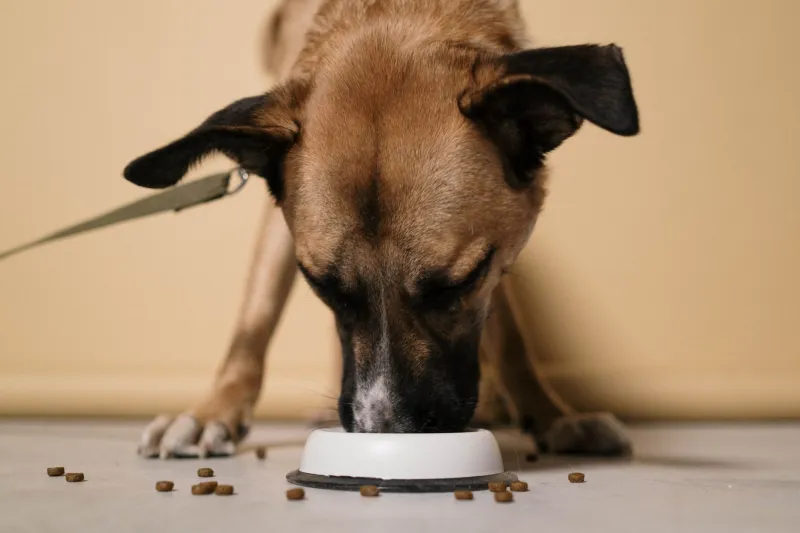
You've probably stood in your kitchen at some point, staring at your dog staring at their food, wondering what on earth is going on in that furry little head. Maybe they ate enthusiastically yesterday and today they're treating their bowl like it's a suspicious stranger. Maybe they've started carrying kibble piece by piece to another room before eating it. Maybe they guard that bowl like it contains actual gold.
Here's the thing: none of this is random. Dogs communicate constantly, and how they behave around food is one of the clearest windows into their inner world. Vets and animal behaviorists have spent decades studying these patterns, and what they've found is both fascinating and genuinely useful for everyday dog owners.
So let's break it down.
Sudden Pickiness: When Your Dog Becomes a Food Critic
One of the most common things dog owners report is a pet who was once a vacuum cleaner at mealtime suddenly becoming selective. They sniff the bowl, walk away, come back, sniff again — maybe take a few bites, maybe leave it entirely.
If this happens once or twice, it's probably nothing to lose sleep over. Dogs, like people, have off days. But if the pickiness stretches on for more than two or three days, that's when you want to pay closer attention.
From a health standpoint, a sudden disinterest in food can signal anything from a mild stomach upset to dental pain (chewing hurts more than we realize), nausea from a new medication, or early signs of an underlying illness. According to veterinary guidelines, any food refusal lasting longer than 48 hours in an otherwise healthy adult dog warrants a call to your vet — especially if it's paired with lethargy, vomiting, or changes in bathroom habits.
But sometimes the explanation is more mundane. You changed the food formula without realizing it (brands quietly update recipes), the bag has been open too long and the kibble has gone stale, or your dog has simply decided they're bored. Dogs are creatures of habit, but they're also capable of developing preferences. If the food is fine and your dog is healthy, a little tough love — offering the meal and picking it up after 20 minutes whether they eat or not — often resolves the standoff within a few days.
Food Guarding: More Than Just Bad Manners
Resource guarding around food — growling, stiffening, snapping if you get too close to the bowl — makes a lot of dog owners feel like they've done something wrong. But guarding behavior is actually one of the most deeply hardwired instincts in dogs. It's not a personality flaw. It's evolution.
That said, context matters enormously. A dog who came from a shelter or a neglectful situation may guard food intensely because scarcity was once a real threat. They learned, at some point, that food could disappear — so they protect it. This kind of guarding is rooted in anxiety and past experience, not aggression for its own sake.
Dogs who were raised with many littermates competing for resources sometimes carry the same pattern into adulthood. And in multi-dog households, even a dog who never guarded before may start when a new pet enters the picture.
The behavioral guidance here is pretty consistent: don't punish guarding behavior, because it tends to suppress the warning signals (the growl) without addressing the underlying anxiety — which can actually make the situation more dangerous over time. Instead, work with a certified professional dog trainer or veterinary behaviorist to build positive associations around the food bowl. Teaching your dog that your approach means something good is coming is far more effective than trying to dominate your way through it.
Eating in Weird Locations or Rituals
Some dogs are committed weirdos about where or how they eat, and honestly? Same energy.
A dog who carries individual pieces of kibble away from the bowl to eat them on the carpet, or who circles the bowl three times before diving in, or who only eats if you're standing nearby — these are behavioral patterns worth understanding rather than dismissing.
Carrying food to another location is often a remnant of ancestral behavior. Wild canids would move food away from a feeding site to avoid competition. For domestic dogs, it can also be about comfort — eating on a soft surface may feel safer or simply more pleasant than a hard floor near a clattering metal bowl.
Eating only in your presence is a social behavior. Some dogs are deeply bonded to their owners and feel more secure when you're around. While sweet, it can occasionally tip into something more anxious — worth monitoring if your dog seems distressed when you leave the room rather than just mildly preferring your company.
Repetitive rituals like circling or pawing at the bowl before eating are usually harmless, but if the rituals become compulsive or your dog seems unable to settle and eat without significant distress, that's worth mentioning to your vet.
When They Eat Everything in Sight — Including Things That Aren't Food
On the opposite end of the spectrum: the dog who eats with zero discrimination. Wolfs down their meal in 30 seconds, then immediately searches for more. Eats grass, dirt, rocks, socks, your kid's crayons.
Rapid eating is genuinely concerning from a physical standpoint — it significantly increases the risk of bloat (gastric dilatation-volvulus), a life-threatening condition particularly common in large, deep-chested breeds like Great Danes, German Shepherds, and Standard Poodles. Slow feeders and puzzle bowls are practical tools that can make a real difference here.
Eating non-food items — a behavior called pica — can stem from nutritional deficiencies, gastrointestinal issues, boredom, anxiety, or compulsive behavior. If your dog is regularly ingesting things that aren't food, a vet visit is the right move. It's not something to wait out.
The Emotional Layer Underneath It All
Here's what ties all of this together: food is never just food for a dog. It's safety, comfort, social connection, and routine all wrapped into a bowl. The way your dog approaches mealtime reflects how they feel about their environment, their body, and their sense of security in the world.
A dog who eats confidently, finishes their meal without drama, and moves on with their day is generally a dog who feels settled. A dog whose eating patterns shift — suddenly, gradually, or in response to changes in the household — is often a dog who's trying to tell you something.
You don't have to be a behaviorist to pick up on these signals. You just have to pay attention. Watch the patterns. Notice what changed before the behavior started. And when in doubt, loop in your vet — because sometimes what looks like a personality quirk is actually a health issue wearing a funny hat.
Your dog can't tell you when something's wrong in words. But they're communicating all the time. The food bowl is one of the places they're loudest.