Two Dogs, One Household: How to Introduce a New Pup Without Turning Your Home Into a Battleground
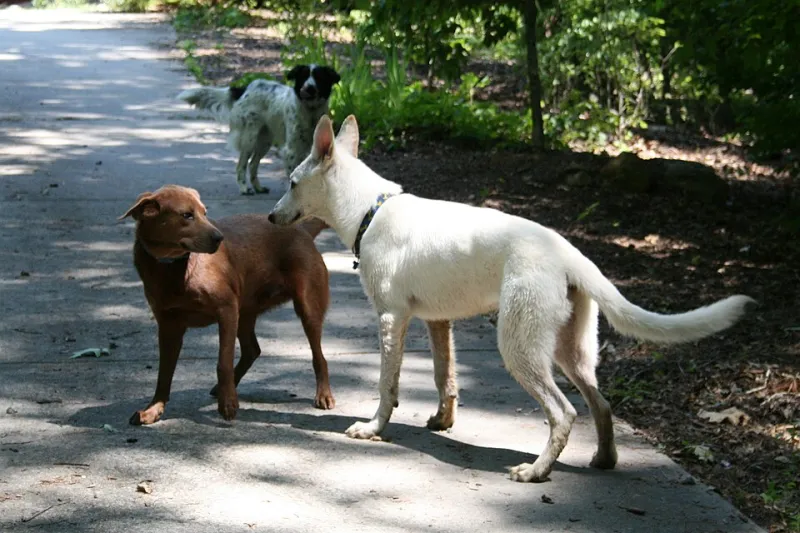
Photo: Ildar Sagdejev (Specious), CC BY-SA 3.0, via Wikimedia Commons
When my neighbor Sarah decided to adopt a second dog, she was fully prepared for a brief adjustment period. A few days of sniffing, maybe a little posturing, and then — best friends forever, right?
What she wasn't prepared for was her five-year-old Lab mix, Biscuit, staging what she described as "a full psychological protest" for the better part of three weeks. Resource guarding, sulking in corners, refusing to eat if the new dog was anywhere near the kitchen. Meanwhile, the new dog — a bouncy two-year-old named Pepper — had no idea why her new housemate seemed to find her personally offensive.
Sarah's story is not unusual. In fact, it's pretty much the norm. Bringing a second dog into a home with an established pet is one of the most common challenges dog owners face, and it's one of the most mishandled — largely because people underestimate how much the first dog's world is about to change.
The good news? With the right preparation and a realistic timeline, most dogs do find their groove together. Here's how to help them get there.
Before the New Dog Even Walks Through the Door
The work starts before adoption day, and it starts with your existing dog.
Think about what your first dog's daily life looks like. Where do they eat? Where do they sleep? What are their favorite spots? Now imagine a stranger moving in and having equal access to all of it. That's essentially what's happening from your first dog's perspective.
Certified professional dog trainer Jamie Gonzalez, who works with multi-dog households in the Chicago area, puts it plainly: "Most people focus all their energy on the new dog. But the resident dog is the one whose entire routine is being disrupted. That's who needs the most preparation and reassurance."
Before you bring the new dog home, consider:
- Setting up separate feeding stations in different areas of the house
- Designating safe zones where your first dog can retreat and not be followed
- Refreshing basic commands with your resident dog so they're sharp and responsive during the transition
- Doing a health check — make sure both dogs are current on vaccines and parasite prevention before they interact
Also, be honest with yourself about your first dog's temperament. A dog who has never had positive experiences with other dogs, or who has a history of aggression, may need professional support before you bring a second animal home. There's no shame in that — it's just being realistic.
The First Meeting: Neutral Ground Is Non-Negotiable
Do not introduce the dogs at your house. This point gets emphasized by almost every trainer and behaviorist who works with multi-dog households, and it still gets ignored constantly.
Your home is your first dog's territory. Bringing a stranger directly into that space puts the resident dog immediately on the defensive. Instead, arrange the first meeting somewhere neither dog has a claim to — a park, an empty parking lot, a friend's backyard.
Here's how to run a good neutral-ground meeting:
- Have two handlers, one per dog, so you can manage both leashes without tangling.
- Start with parallel walking — both dogs walking in the same direction, about 10 feet apart. Let them get used to each other's presence without direct pressure.
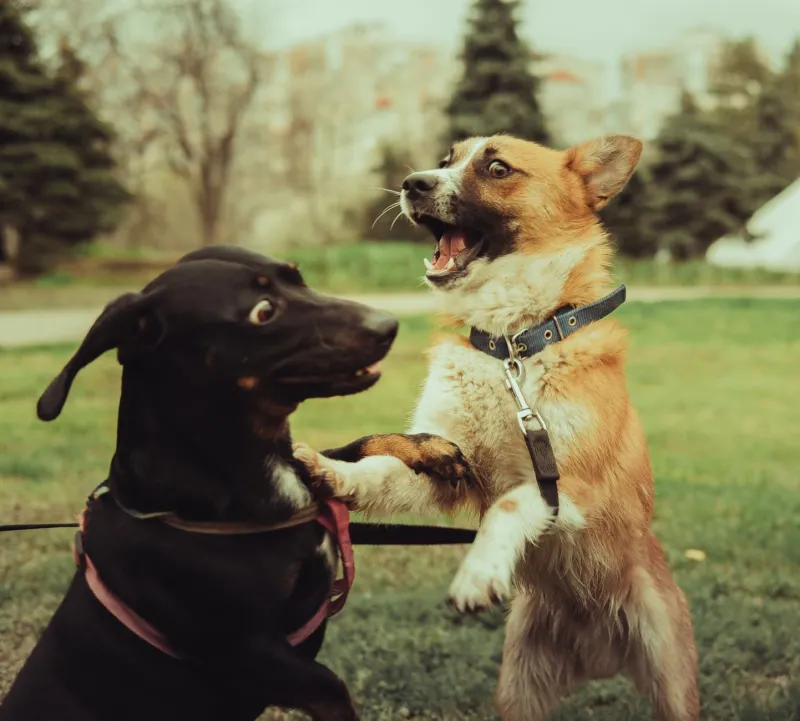
- Watch the body language. Loose, wiggly bodies and play bows are great signs. Stiff posture, hard staring, raised hackles, or a tucked tail are signals to slow down and create more distance.
- Gradually decrease the gap as both dogs stay relaxed. Let them sniff briefly, then redirect their attention forward again.
- Keep it short. Twenty to thirty minutes is plenty for a first meeting. End on a positive note before anyone gets overwhelmed.
Reader Danielle from Portland shared that her two dogs — a beagle and a rescue shepherd mix — had their first meeting at a local trail. "They pretty much ignored each other the whole walk, which I was told was actually a good sign," she said. "By the time we got back to the car, they were sniffing each other like they'd known each other for years."
The First Few Weeks at Home: Slow and Steady Wins the Race
Once both dogs are home together, resist the urge to let them work it out unsupervised. The first two to four weeks are critical, and management is your best friend.
Feed them separately. Food is one of the most common triggers for conflict between dogs. Separate rooms, separate bowls, no exceptions — at least until you've established that both dogs are relaxed and non-reactive around mealtimes.
Pick up high-value items. Chews, bones, favorite toys — anything your first dog has a strong attachment to should be temporarily removed from the shared space. You can reintroduce them gradually once the relationship stabilizes.
Give your first dog extra one-on-one time. This sounds simple, but it gets overlooked when people are focused on helping the new dog settle in. Biscuit's protest behavior, in Sarah's case, improved significantly once she started taking him for a solo walk every morning before Pepper was up.
Use baby gates and crates strategically. Giving each dog their own safe space — where they can decompress without the other dog present — reduces tension enormously. Think of it as giving each dog their own room during a stressful adjustment period.
Realistic Timelines (Because It Takes Longer Than You Think)
One of the most common questions people ask is: How long until they get along?
The honest answer is: it depends, and it usually takes longer than people expect.
Many dogs establish a basic working relationship within a few weeks. But true comfort — the kind where they sleep near each other voluntarily, play without things escalating, and share space without constant monitoring — often takes three to six months. Some dogs, especially those with strong personalities or difficult histories, take closer to a year.
That timeline can feel discouraging, but it helps to reframe it: you're not waiting for things to get better. You're actively building a relationship between two animals who didn't choose each other. That takes time, consistency, and a lot of patience.
Trainer Jamie's advice: "Celebrate small wins. The first time they nap in the same room without either dog getting up to leave? That's a win. The first shared play session that ends without someone getting snappy? Huge. Mark those moments, because they're the foundation of what comes next."
When to Call in a Professional
Some situations genuinely call for expert support. If you're seeing any of the following, reach out to a certified professional dog trainer (look for CPDT-KA credentials) or a veterinary behaviorist:
- Repeated fights that result in injury
- One dog refusing to eat or showing signs of severe stress for more than a few weeks
- Escalating aggression rather than gradual improvement
- A dog who seems genuinely terrified of the other
This isn't failure. Multi-dog dynamics can be complex, and getting help early prevents small problems from becoming entrenched ones.
It's Worth It
Ask Sarah today how things are going with Biscuit and Pepper, and she'll send you a photo — the two of them tangled together on the couch, Pepper's head resting on Biscuit's back, both of them completely asleep.
"It took about two months before I stopped holding my breath every time they were in the same room," she said. "But watching them together now? Honestly, I can't imagine it any other way."
That's the thing about building a two-dog household. It asks a lot of you upfront — planning, patience, consistency, and a willingness to slow down when every instinct says to rush. But when it clicks? It really, truly clicks.