Your Dog Doesn't Want a Best Friend — And That's Completely Fine
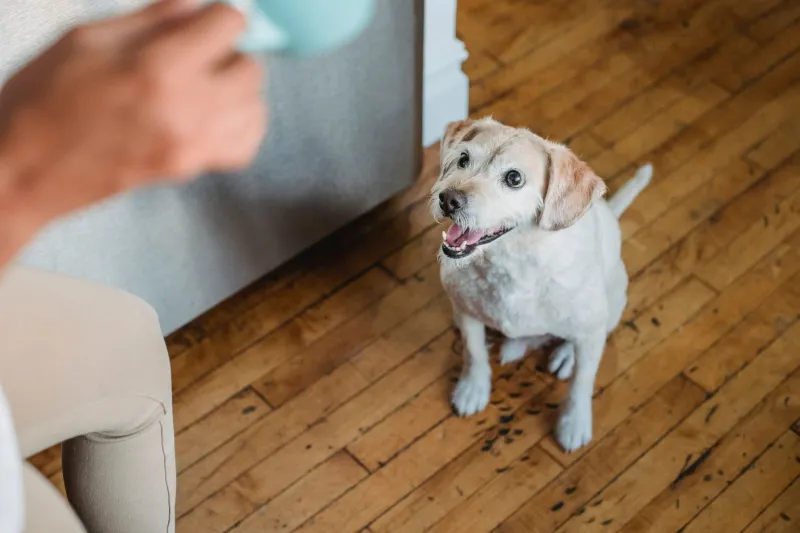
Picture this: You drive to the dog park, excited to give your pup a fun afternoon. You open the gate, let them off leash, and instead of bounding toward the other dogs with tail wagging, your dog immediately glues themselves to your leg. Or stands at the gate waiting to leave. Or, worse, gets snapped at because they gave off all the wrong signals to the other dogs already mid-chaos.
You drive home feeling like you somehow failed your dog. Like they're missing out on something essential. Like you should try harder.
Here's a thought: what if your dog was trying to tell you they were absolutely fine before you took them to the dog park?
The Myth That Every Dog Needs Dog Friends
We've absorbed this cultural idea that a happy dog is a social dog — one who plays at the park, has doggy playdates, and romps freely with the neighborhood pack. It's all over Instagram. It's what people picture when they think of a "good life" for a dog.
But dogs, like people, have wildly different social preferences. Some are extroverts who light up around other dogs. Others are perfectly content — genuinely, deeply content — with their human family as their entire world. And a fair number fall somewhere in the middle, tolerating other dogs just fine but not really seeking them out.
None of these are wrong. They're just different personalities.
The problem comes when we project our own social values onto our dogs. We feel guilty that our dog doesn't have dog friends, so we keep trying to manufacture those friendships — even when our dog is clearly telling us they're not interested.
What an Introverted Dog Actually Looks Like
Before we go further, let's be clear about what we're talking about. There's a difference between a dog who is anxious or fearful around other dogs and a dog who simply prefers their own company. Both deserve understanding, but they need different things.
A fearful dog shows stress signals — tucked tail, pinned ears, whale eye, trembling, trying to hide or escape. That dog needs patient, professional support to feel safer in the world.
An introverted dog, on the other hand, might just seem... uninterested. They'll sniff another dog politely and move on. They won't initiate play. They might give a clear "that's enough" signal (a slow walk-away, a head turn, a yawn) and simply disengage. They're not scared — they're just done. There's no panic, just preference.
If your dog consistently chooses your company over another dog's, settles happily at home, plays enthusiastically with you, and shows no signs of anxiety or depression — they are not a broken social dog. They are a content solo dog.
Why Forcing It Can Backfire
Repeatedly putting an introverted dog in social situations they don't want to be in doesn't build confidence over time. More often, it does the opposite.
Dogs who are consistently overwhelmed by forced interactions can become more reactive, not less. They learn that other dogs = stress, and their threshold for tolerating other dogs gets lower and lower. What started as mild disinterest can escalate into genuine reactivity if the dog never gets to feel like their signals are respected.
The dog park in particular is a tough environment for introverted dogs. It's high stimulation, often chaotic, full of dogs who haven't been screened for temperament, and there's nowhere to truly escape. For a dog who's already not that into other dogs, it can feel genuinely overwhelming — even if they're not showing obvious fear.
What Your Dog Needs Instead
If your dog is a solo flyer, lean into what they actually love. That probably means more of you.
One-on-one adventures. Hiking trails, sniff walks, car rides, trips to pet-friendly stores — these are all ways to enrich your dog's life without requiring another dog to be involved. Many dogs find sniffing far more mentally stimulating than playing anyway.
Structured, low-pressure exposure. If you want your dog to be comfortable around other dogs — say, at the vet or on walks — that's different from forcing friendships. Brief, calm, parallel exposure (walking near another dog without direct interaction) keeps them comfortable in the world without demanding they become social butterflies.
Respect their signals. If your dog disengages from another dog or comes back to you during a playdate, that's communication. Honor it. You don't have to keep pushing them back toward the other dog.
Stop apologizing for them. "Sorry, she's not very social" is something a lot of dog owners say with embarrassment. Try replacing that with: "She's pretty selective — she mostly just loves her people." That's not a flaw. That's a personality.
Your Dog's Whole World Is You — That's Not Sad
For a lot of dogs, their human is genuinely their favorite thing on earth. Not as a consolation prize because they couldn't find dog friends — but as a genuine, wholehearted preference.
That bond is worth celebrating, not trying to dilute by forcing socialization your dog never asked for. Some of the happiest dogs out there are the ones who get long walks, couch time, and a person who actually pays attention to what they need.
If that's your dog's life? They're doing just fine.