What Your Dog's Leash Behavior Is Really Saying (And How to Help Them Feel Better on Walks)
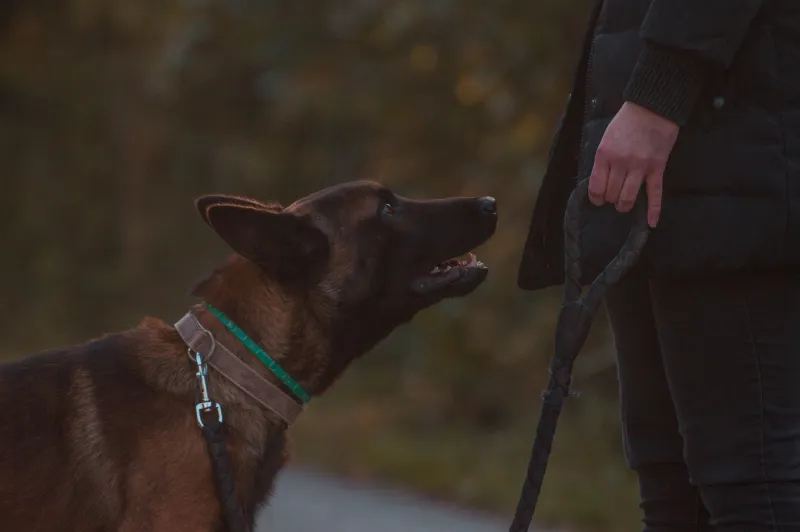
Walks are supposed to be the best part of the day. Fresh air, a little exercise, quality time with your dog. And yet, for a lot of dog owners, the moment the leash clips on, things go sideways — lunging, lagging, spinning, freezing, or dragging you face-first toward every squirrel in a three-block radius.
Here's the thing most people don't realize: your dog isn't trying to make your life difficult. Those leash behaviors — all of them — are communication. Your dog is telling you something about how they're feeling, and if you can learn to read those signals, you've got a real shot at making walks genuinely enjoyable instead of just something you survive.
Pulling Isn't Rudeness — It's Usually Excitement or Anxiety
The classic complaint: your dog pulls so hard the walk feels like water skiing on pavement. Most people assume this means the dog is dominant, untrained, or just not listening. But pulling almost always comes from one of two emotional places — high excitement or low-grade anxiety.
Excited pullers are usually dogs who find the outside world absolutely overwhelming in the best possible way. Every smell, every sound, every passing jogger is the most interesting thing that's ever happened. Their brain is flooded with stimulation and their body just... goes.
Anxious pullers are a little different. These dogs move fast because forward momentum feels safer than standing still. They're not rushing toward something — they're rushing away from the discomfort of uncertainty. It can look identical to excitement pulling, but if you watch closely, the body language tells a different story: ears pinned back, tail low, eyes scanning constantly.
The fix isn't the same for both. An excited dog benefits from structured practice — stopping when the leash goes tight, rewarding loose-leash moments, building the habit that calm walking equals forward progress. An anxious dog needs that too, but they also need the underlying stress addressed. Drilling leash manners without reducing anxiety is like putting a fresh coat of paint on a leaky pipe.
The Dog Who Won't Move
On the opposite end of the spectrum: the dog who plants all four paws and refuses to budge. This one frustrates owners to no end, especially when you're running late or it's 28 degrees outside.
But a dog who freezes on a walk isn't being dramatic or difficult. They're overwhelmed. Something in the environment — a sound, a smell, a person, another dog, even just an unfamiliar stretch of sidewalk — has crossed their threshold and their nervous system is saying nope, not today.
Forcing a frozen dog forward (dragging them, picking them up, bribing them past the scary thing before they're ready) can actually make the fear worse over time. You're teaching them that their signals don't matter, which erodes trust and can deepen anxiety.
Instead, try backing up. Literally. Give your dog some distance from whatever spooked them and let them decompress. Once they're breathing normally and their body loosens up, you can try again — slowly, at their pace, with lots of encouragement. If a specific spot or trigger causes this consistently, that's worth noting. Patterns are data.
Lunging, Barking, and Losing Their Mind at Other Dogs
Reactive leash behavior — the kind where your dog turns into a completely different animal the moment another dog appears — is one of the most common issues dog owners deal with, and one of the most misunderstood.
Reactivity looks aggressive, but it usually isn't. Most leash-reactive dogs are either frustrated (they want to go say hi and can't) or genuinely frightened (the other dog feels like a threat and they're trying to look scary enough to make it go away). The leash itself plays a role here — it restricts natural greeting behavior and can create tension that amplifies whatever the dog is already feeling.
This is a confidence issue at its core. Dogs who feel secure in themselves and their environment don't need to make such a big production out of passing another dog on the street. Building that confidence takes time and consistency, but it's absolutely possible.
The most effective approach involves working below threshold — keeping enough distance from triggers that your dog can notice them without going over the edge, and rewarding calm, relaxed responses. Over many repetitions, the trigger starts to predict good things instead of stress, and the reaction gradually shrinks. This is called counter-conditioning, and while it sounds clinical, it's really just helping your dog build new associations through patience and treats.
What Confident Leash Walking Actually Looks Like
A confident dog on a walk looks loose. Their body isn't stiff, their tail has a natural carriage, they check in with you occasionally, and while they're interested in the environment, they're not consumed by it. They can handle a passing stranger, a barking dog behind a fence, or a kid on a scooter without completely unraveling.
That kind of confidence doesn't come from drilling commands — it comes from a dog who trusts that the world is generally okay and that you've got their back. Your job on walks isn't just to keep them from pulling. It's to be a calm, predictable presence that helps them feel safe enough to actually enjoy themselves.
Practical Things You Can Do Starting Now
Shorten your walks before you fix them. A 45-minute walk with a stressed, reactive dog isn't doing either of you any favors. A focused 15-minute walk where you're actively helping your dog navigate the environment is worth way more.
Use a front-clip harness for pullers. Not as punishment — just as a management tool that reduces the physical pulling while you work on the emotional stuff. It gives you more control without creating neck strain or discomfort.
Watch your own leash tension. Dogs are incredibly sensitive to what comes through the leash. A tight grip and a tense arm communicates anxiety to your dog before you've said a word. Practice walking with a loose leash even when you're nervous about what might happen.
Bring high-value treats on every walk. Not kibble — real rewards. Small pieces of chicken, cheese, hot dog. If you're asking your dog to do something hard (stay calm near a trigger, walk past a scary mailbox), the payoff should match the effort.
Let them sniff. Sniffing is mentally exhausting in the best way. A dog who gets to spend five minutes investigating a fire hydrant comes home more satisfied than one who speed-walked twice the distance. Sniff breaks also help anxious dogs decompress mid-walk.
When to Bring in Backup
If your dog's leash behavior is severe — serious reactivity, complete shutdown, or anything that feels unsafe — working with a certified trainer or veterinary behaviorist is genuinely worth it. There's no shame in asking for help, and a professional who uses positive reinforcement methods can make a huge difference in a relatively short amount of time.
The goal isn't a perfectly heeled robot. It's a dog who feels good enough about the world to walk through it with you — curious, calm, and maybe just a little bit proud of themselves. That's worth working toward.