When Your Dog's Eating Habits Change, Your Dog Is Trying to Tell You Something
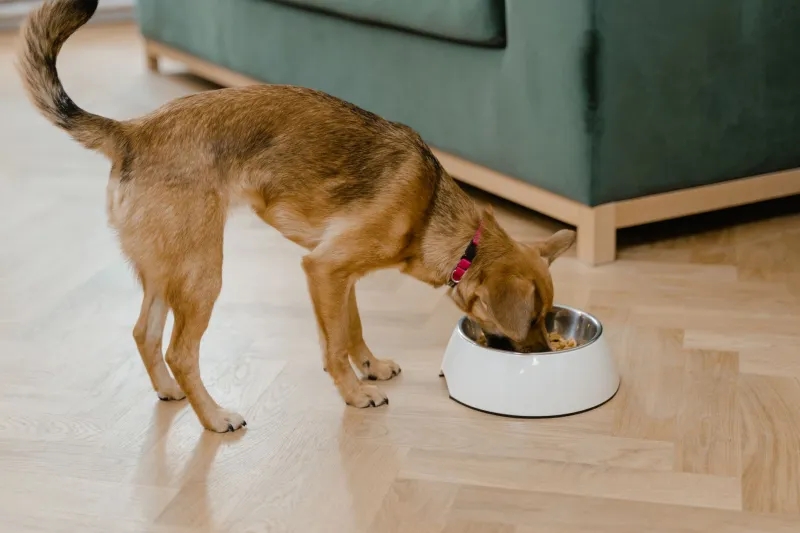
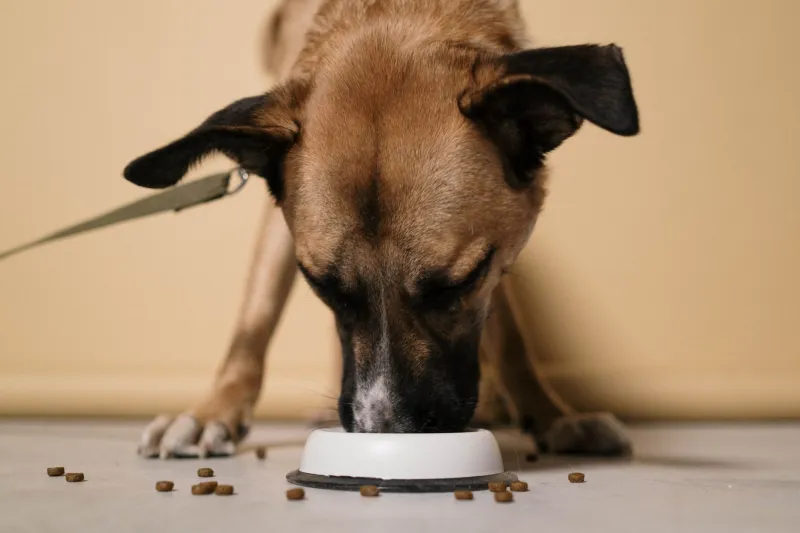
Most of us know our dogs' routines better than we know our own. So when something shifts — when the dog who used to bulldoze their breakfast suddenly sniffs it and walks away, or the one who never begged starts obsessing over every crumb you drop — it's hard not to notice.
What's easy to do, though, is explain it away. They're being picky. They're bored. They're just weird. And honestly? Sometimes that's true. But sometimes it's not. And knowing the difference could matter more than you think.
First, What Does "Normal" Even Look Like?
Here's the thing — there's actually a pretty wide range of what's considered normal eating behavior in dogs. Some dogs are enthusiastic eaters who finish every meal in under thirty seconds. Others are what vets call "picky eaters" who graze throughout the day or leave food in the bowl for hours. Breed, age, size, and individual personality all play a role.
That said, consistency is the real baseline. If your dog has always been a slow eater and continues to be a slow eater, that's just your dog. What vets want you to pay attention to is change — especially sudden change.
Skipping Meals: When Should You Actually Worry?
A dog skipping a single meal isn't automatically cause for panic. Heat, stress, mild stomach upset, or even just an off day can temporarily tank a dog's appetite. Most healthy adult dogs can go 24 hours without eating without any serious consequence.
But here's where it gets important: if your dog skips more than one or two meals in a row, or if the loss of appetite comes with other symptoms — lethargy, vomiting, diarrhea, excessive thirst, or just acting "off" — that's a call-your-vet situation. Don't wait it out hoping things will improve.
Conditions like kidney disease, liver issues, dental pain, infections, and even certain cancers can show up first as a decreased appetite. It's one of the body's earliest distress signals, and dogs can't exactly tell you their mouth hurts or their stomach feels wrong.
The Opposite Problem: Suddenly Obsessed With Food
On the flip side, some dogs go through phases where they seem ravenous — begging constantly, eating faster than usual, acting like they haven't been fed in days even when they absolutely have.
Occasionally this is behavioral. A new pet in the house, a change in feeding routine, or even watching you snack more often can trigger food-seeking behavior. But a sudden and dramatic increase in appetite — especially when paired with weight loss despite eating more — is a red flag that warrants a vet visit.
Conditions like diabetes, Cushing's disease, hyperthyroidism (more common in cats but not unheard of in dogs), and intestinal parasites can all cause a dog to feel perpetually hungry. If your dog is eating significantly more but losing weight, don't sit on that. Get them checked.
Stress Eating (and Stress Not-Eating) Is Real
Dogs are deeply sensitive creatures, and their eating habits often mirror what's happening emotionally. A dog going through a major life change — a move, a new baby, the loss of a companion animal, a disrupted routine — may eat less, eat inconsistently, or in some cases eat more as a comfort response.
This is especially worth knowing if you've recently changed something in your home environment and your dog's eating shifted around the same time. It doesn't mean you did anything wrong. It means your dog is processing something, and they need a little extra patience and stability while they adjust.
If the behavioral disruption lasts more than a couple of weeks or is severe, looping in your vet is still a good idea — they can rule out anything physical and, if needed, connect you with a veterinary behaviorist.
Eating at Weird Times: Does It Actually Matter?
Maybe your dog used to eat at 7 AM and 5 PM on the dot, and now they're wandering to the bowl at 11 PM. Or they'll skip the morning meal and then eat twice as much at night. Is this a problem?
It depends. If you changed the schedule — new work hours, daylight saving time, a shift in your own routine — your dog is probably just recalibrating. Dogs are creatures of habit, and they sync their internal clocks to yours.
But if the timing shift happened on its own, without any changes on your end, it could indicate a disruption in their circadian rhythm. This is particularly common in senior dogs and can sometimes be an early sign of canine cognitive dysfunction — the dog equivalent of dementia. Other signs include disorientation, changes in sleep patterns, and increased anxiety. If your older dog is suddenly nocturnal about their meals, mention it at your next vet appointment.
The "Food Guarding" Shift You Shouldn't Ignore
One eating-related behavior change that doesn't get talked about enough: a dog who suddenly starts guarding their food bowl when they never did before. This can look like growling if you approach while they're eating, eating faster and more frantically, or becoming tense around meal times.
Sometimes this is a training issue that can be addressed with positive reinforcement techniques. But sometimes it's rooted in pain — a dog who's uncomfortable eating (think dental disease or nausea) may become defensive around food because eating has become associated with discomfort. Rule out the medical piece first before assuming it's purely behavioral.
So When Should You Actually Call the Vet?
Here's a simple gut-check list:
- Your dog has skipped two or more meals in a row
- Appetite loss is paired with vomiting, diarrhea, lethargy, or unusual behavior
- Your dog is eating significantly more but losing weight
- The change in eating habits came out of nowhere with no environmental explanation
- Your senior dog's meal timing or appetite has shifted noticeably
- New food guarding behavior has appeared
If any of those apply, don't wait for the next scheduled checkup. A quick call to your vet — even just to describe what you're seeing — can help you figure out whether you're dealing with a "keep an eye on it" situation or something that needs attention sooner.
Your Dog's Bowl Is Basically a Report Card
It sounds a little dramatic, but it's true: how and when your dog eats tells you a lot about how they're doing overall. You don't need to micromanage every meal, but staying tuned in to their normal patterns means you'll catch it when something's off.
That awareness? That's just good dog ownership. And honestly, it's one of the most loving things you can do for them — even if all it leads to is a vet reassuring you that your dog is just going through a picky phase. Peace of mind is worth the phone call.